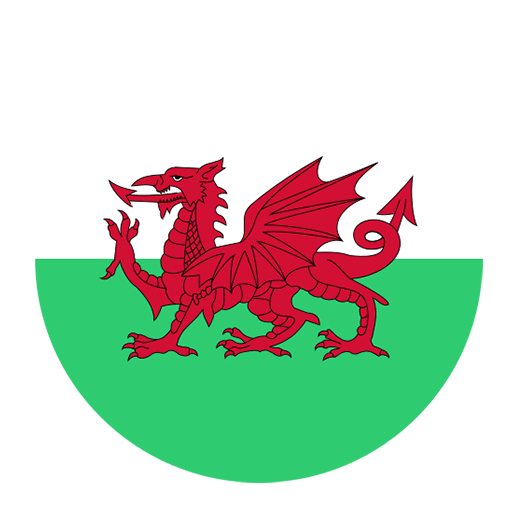

Welsh, or “Cymraeg” as it is known in its native form, is a Celtic language with a rich history and a significant cultural footprint in the United Kingdom. Despite the challenges it has faced over the centuries, Welsh continues to thrive in certain areas of the UK, notably in Wales, and has seen a resurgence in recent years. This article delves into the role of Welsh in the language landscape of the UK, exploring its history, current status, and the efforts being made to preserve and promote it.
A Brief History of the Welsh Language
Welsh is one of the oldest languages in Europe, with its roots tracing back to the Brythonic branch of the Celtic languages spoken in Britain before the Roman invasion. The language has evolved significantly over the centuries, with Old Welsh developing around the 6th century and Middle Welsh emerging by the 12th century. Modern Welsh, as it is known today, began to take shape around the 16th century.
The language faced significant challenges following the Norman Conquest and the subsequent English domination of Wales. The Act of Union in 1536 further marginalized Welsh, as English became the official language of administration and law. Despite these pressures, Welsh persisted as a spoken language among the local population, particularly in rural areas.
The Decline and Revival of Welsh
The 19th and early 20th centuries saw a steep decline in the number of Welsh speakers, attributed to industrialization, urbanization, and the educational policies that favored English. The Welsh Not, a punitive measure used in schools to discourage the use of Welsh, exemplified the systemic efforts to suppress the language.
However, the mid-20th century marked the beginning of a revival. The establishment of the Welsh Language Society (Cymdeithas yr Iaith Gymraeg) in 1962 played a pivotal role in advocating for the rights of Welsh speakers and the promotion of the language. The passing of the Welsh Language Act in 1993 and the Government of Wales Act in 1998 further bolstered the status of Welsh, recognizing it as an official language in Wales and ensuring its use in public life and administration.
Current Status of the Welsh Language
Today, Welsh is spoken by around 29% of the population of Wales, according to the 2020 Annual Population Survey. The language is particularly strong in areas such as Gwynedd, Anglesey, Ceredigion, and Carmarthenshire, where over half of the population can speak Welsh. The language is also taught as a compulsory subject in schools across Wales, ensuring that new generations are exposed to it.
The Welsh government has set ambitious targets to increase the number of Welsh speakers to one million by 2050. This goal is supported by various initiatives, including the promotion of Welsh-medium education, the development of Welsh-language media, and the encouragement of the use of Welsh in the workplace and public services.
Welsh in Education
Education plays a crucial role in the preservation and promotion of Welsh. Welsh-medium schools, where Welsh is the primary language of instruction, have been instrumental in fostering bilingualism. These schools have seen a steady increase in enrollment, reflecting a growing interest among parents in providing their children with a bilingual education.
In addition to Welsh-medium schools, Welsh is taught as a second language in English-medium schools across Wales. The National Curriculum in Wales mandates the teaching of Welsh from the Foundation Phase (ages 3-7) through to the end of Key Stage 4 (ages 14-16), ensuring that all students have a basic understanding of the language.
Higher Education and Welsh
Welsh also has a presence in higher education, with universities offering courses and degrees in Welsh language and literature. Institutions such as Aberystwyth University and Bangor University have been at the forefront of Welsh language education, providing opportunities for students to study various subjects through the medium of Welsh. The Coleg Cymraeg Cenedlaethol, established in 2011, supports the development of Welsh-medium higher education and research, further strengthening the role of Welsh in academia.
Welsh in the Media and Arts
The media and arts have been vital in promoting Welsh and ensuring its visibility in contemporary culture. The establishment of S4C (Sianel Pedwar Cymru) in 1982 marked a significant milestone, providing a dedicated Welsh-language television channel. S4C offers a wide range of programming, including news, drama, documentaries, and children’s shows, all in Welsh.
Radio Cymru, the Welsh-language radio station operated by BBC Wales, also plays a crucial role in the linguistic landscape. It offers a mix of news, music, and entertainment, catering to Welsh speakers of all ages.
The arts, including literature, music, and theatre, are vibrant spheres for the Welsh language. The Eisteddfod, an annual cultural festival, celebrates Welsh language and culture through competitions in music, literature, and performance. The festival attracts participants and audiences from across Wales and beyond, showcasing the richness of Welsh cultural heritage.
Welsh in Public Life and Services
The recognition of Welsh as an official language in Wales has ensured its presence in public life and services. Bilingual signage is ubiquitous across Wales, and public institutions are required to provide services in both Welsh and English. The Welsh Language Commissioner, established by the Welsh Language (Wales) Measure 2011, oversees compliance with language standards and promotes the use of Welsh in public and private sectors.
The use of Welsh in the workplace is also encouraged, with various initiatives supporting businesses and organizations in adopting bilingual practices. This includes the provision of Welsh language training for employees and the development of resources to facilitate the use of Welsh in professional settings.
Challenges and Opportunities
Despite the progress made in promoting Welsh, challenges remain. The number of Welsh speakers has fluctuated over the years, and there is a need to address issues such as language transmission within families and the social use of Welsh among young people. Ensuring that Welsh remains relevant in an increasingly globalized and digital world is also a key concern.
However, there are numerous opportunities to strengthen the position of Welsh. The growth of digital technology and social media offers new platforms for the use and promotion of the language. Initiatives such as “Cymraeg 2050,” the Welsh government’s strategy to reach one million Welsh speakers, provide a comprehensive framework for supporting the language.
The Global Significance of Welsh
While Welsh is primarily spoken in Wales, its significance extends beyond the borders of the UK. The Welsh diaspora, particularly in countries such as the United States, Canada, and Australia, has maintained a connection to the language and culture. Organizations and communities around the world celebrate Welsh heritage through events such as the North American Festival of Wales and the Patagonia Eisteddfod in Argentina.
The study of Welsh also contributes to the broader field of Celtic studies and the understanding of minority languages. The efforts to preserve and promote Welsh offer valuable lessons for other language communities facing similar challenges.
Conclusion
Welsh occupies a unique and vital role in the language landscape of the UK. Its rich history, cultural significance, and the ongoing efforts to promote and preserve it highlight the importance of linguistic diversity. As Wales continues to embrace its bilingual identity, Welsh remains a testament to the resilience and vibrancy of its speakers. The future of Welsh depends on the collective efforts of individuals, communities, and institutions to ensure that it continues to thrive for generations to come.